
To cook well at your home, you don’t have to master complicated techniques or have an entire spice rack that is filled with obscure ingredients. However, it requires understanding how flavors work together. It is essential for every chef to be aware of which herbs are compatible with various meats, such as salmon, beef or pork, and also how the herbs react in cooking.
Herbs are used for different purposes, based on the meat. They serve various purposes, based on the meat. Certain herbs are used to cut through fat while others provide warmth or freshness. Others require heat and time to release their flavor. If herbs are chosen with care, food tastes balanced and clean and cooking can be a breeze.
What Herbs Go With Pork and How They Work?
Pork is naturally sweet and also has a significant fat content, which makes it an excellent base for herbs. Understanding the best herbs to add in your pork dishes will prevent your dishes from being overly sour or bland.
Sage and rosemary are particularly efficient because they balance sweetness with a savoury and savory depth. Thyme imparts a delicate earthiness to braises, roasts and meats pan-fried. Fennel seeds increase the sweetness of pork and are especially effective in sausages or slow-cooked dishes. While bay leaf adds flavour to long-cooking dishes and parsley adds dish’s vibrant colour when added towards the end.
Because pork absorbs flavour easily, herbs can be mixed directly into marinades and ground meat instead of being used for a seasoning on the surface.
What herbs pair well with beef without overpowering it
Beef is naturally bold and strong, therefore herbs should be carefully selected to complement rather than to compete. Knowing what herbs go with beef is largely about matching intensity.
Woody herbs, like rosemary, thyme or marjoram, are able to resist high temperatures and long cooking times. They’re perfect for roasts, braises and steaks. Bay leaves infuse stews slowly with aroma, and sage adds a full flavor. Oregano gives a sour and sweet taste to tomato sauces made with minced meat.
You can choose a mild herb blend on thin cuts, or stronger combinations for larger cuts.
What kinds of herbs can be used with salmon for balance? weight?
Salmon’s oily and rich flesh has herbs that give contrast and freshness. Knowing which herbs complement salmon will help keep the dish light.
Dill has always been an option for salmon, as it provides flavour without overpowering the flavor of salmon. Chives, parsley, and tarragon are great additions to dishes, while tarragon has a delicate, elegant flavor that is excellent for baked or poached dishes. Basil works well with grilled salmon, while thyme provides warmth while roasting.
Add delicate herbs late in the cooking process because long-term heat can ruin their taste. Citrus plays a key role in making the herbs lively and well-balanced.
What Herbs Go With Chicken in various Cuts
The mild taste of chicken makes it among the easiest proteins. The herbs you use with chicken is largely dependent on whether you’re cooking dark or white meat.
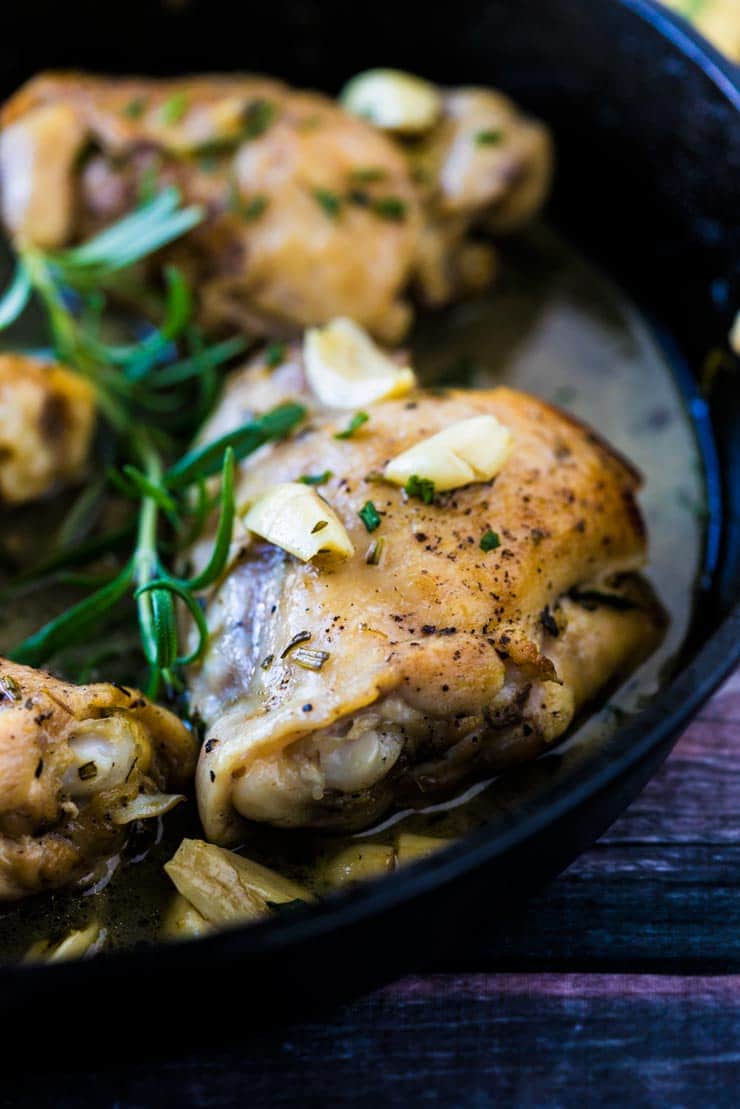
Thyme and rosemary are wonderful for roasting, especially skin-on pieces. Tarragon is a great ingredient to improve the flavor of wine or cream-based dishes. The oregano is great for Mediterranean or grilled food. Sage brings warmth to butter sauces and works well with dark meat. The best way to utilize parsley is to use it as a final spice. It imparts a sense of freshness.
Spreading herb butter over the skin prior roasting allows flavour to infuse the meat during cooking.
What Herbs Work With Lamb and How Do You Use Them in a safe and secure manner
Lamb is a type of meat with a powerful, gamey flavors which can stand up to herbs. Knowing the right herbs to use with lamb can increase the flavour without overpowering the meat.
Rosemary cut through the fat, and it is resistant to grilling or roasting. Thyme oregano, bay leaf, and are perfect for slow-cooked meals. Mint and parsley add freshness especially when used in sauces or as a final touch. Coriander provides a citrusy taste to spicy dishes.
Lamb enjoys the benefits of a well-seasoned seasoning, especially with slow-cooked cuts that can absorb flavour as they age.
Making Cooking with Intentions is not Without a Doubt
Knowing the best herbs to use in your chicken, lamb, salmon, pork and beef can help make the right choices in the kitchen. It helps with meal planning, shopping more focused, and produces more consistent results.
If you are able to use herbs, cooking will no longer be a matter of trial and error, and more like an art.